
The Real Cost of Discounts: How Furniture Brands Lose Value by Competing on Price (and What to Do Instead)

Adam Baodunnov
Why Discounting Alone Is Hurting Your Furniture Brand
Who doesn’t love a good deal with lots of perks, especially when it comes to furniture? I know I sure do.
Since furniture is part of our home essentials, I love good deals, whether it’s 30% off or free shipping. I’ll always look for the best price faster than you can say “sale.” Then afterward, I’ll double-check its value to see if it’s truly worth the price, that’s just how I shop as a consumer.
But here’s what I’ve learned about myself (and most shoppers) during these sales events: I get FOMO—the classic Fear of Missing Out. When I see a sale coming, especially on a beautiful piece of furniture, I worry someone else might grab it first and I’ll miss my chance. Our brains are practically hardwired to react to these moments. Sales create urgency, spark desire, and give us that sweet satisfaction of getting more for less. It’s that little rush of excitement that makes hitting “add to cart” feel like winning.
As a customer, I’ve grasped the fact it feels like striking gold when we buy furniture on sale. We feel smart and satisfied because we scored a great piece at a lower price — one that feels worth every dollar saved.
However, as a digital marketing expert at LTBS, I’ve realized that while both business owners and customers are happy, celebrating those sales spikes and cleared-out inventories. The truth is, it’s actually hurting the business.
Discounts may seem like an easy way to boost conversions and drive short-term sales, but behind the numbers, they’re quietly draining your profit margins and diluting your brand’s perceived value. What feels like a quick win often comes with long-term consequences.
Now that we’re in the post-pandemic era, shoppers have become more cautious and value-driven. Economic uncertainty, rising living costs, and changing lifestyle priorities have made customers more selective—and furniture brands are feeling the pressure. In this climate, heavy discounting might feel like the only way to stay competitive, but it’s often a trap.
In our previous blog, Why Furniture Marketing Feels Exhausting, we explored how consumer expectations have shifted and why brands must evolve to meet them. Today, competing in this environment is tougher than ever. So we’re diving deeper into the impact of this discounting cycle and, more importantly, how your furniture brand can build sustainable growth without depending on constant sales.
The Psychology of Discounting: Why Shoppers Can’t Resist a Good Sale
Consumers have a soft spot for a bargain, and it’s the capitalist's vision and dream, more sales means more money. But constant sales condition customers to wait. When buyers know another “20% off weekend” is around the corner, they’ll hold off on purchasing at full price, which hurts the business.
There’s a reason why a bright red SALE sign makes our hearts skip a beat. Sales don’t just appeal to our wallets, they trigger deep psychological responses that make us feel excited, validated, and rewarded and you can see it from the movie Confessions of a Shopaholic.
When we see a discount, our brain releases dopamine, the “feel-good” chemical, giving us an instant sense of pleasure and satisfaction. It’s the same rush we get from winning something or finding hidden treasure. This emotional response often overrides logical thinking, making us focus on the deal rather than the need.
At its core, discounting plays on three key psychological triggers:
- Scarcity and Urgency: “Limited time only” or “Until stocks last” messaging creates a sense of scarcity. When we believe something might run out, we act fast, not necessarily because we need it, but because we don’t want to miss out.
- Fear of Missing Out (FOMO): Shoppers experience real anxiety when they think someone else might grab that perfect sofa or dining table first. This fear drives impulsive decisions and instant purchases.
- Perceived Value and Reward: A discount makes customers feel smart, like they’ve outsmarted the system. Even if the price reduction is small, the sense of victory feels big. It’s not just about saving money, it’s about winning the shopping game.
For furniture shoppers, these emotions are even stronger. Furniture pieces are big-ticket items that often come with emotional investment which are tied to comfort, aesthetics, and lifestyle aspirations. So, when a beautiful piece goes on sale, it feels like an opportunity too good to pass up.
But while discounts activate these powerful psychological responses, they also condition shoppers to expect and wait for them. Because again, consumers have a soft spot for a bargain, and it’s the capitalist's vision and dream, more sales means more money.
When buyers know another “20% off weekend” is around the corner, they’ll hold off on purchasing at full price, which hurts the business. Over time, this changes how customers perceive your brand’s value.
Additionally, pricing is deeply tied to perception. If your products are always marked down, customers start to question their true worth. They would ask in their thoughts, “If everything is always 40% off, was it ever really worth full price?”. This shows that when discounts become the norm, full price starts to feel like a rip-off and that’s where the real problem begins.
The Hidden Costs of Relying on Discounts
Every price slash comes with hidden costs, not just financial ones, but strategic and emotional ones that can quietly erode your brand’s foundation. Let’s break it down:
1. Profit Margin Erosion
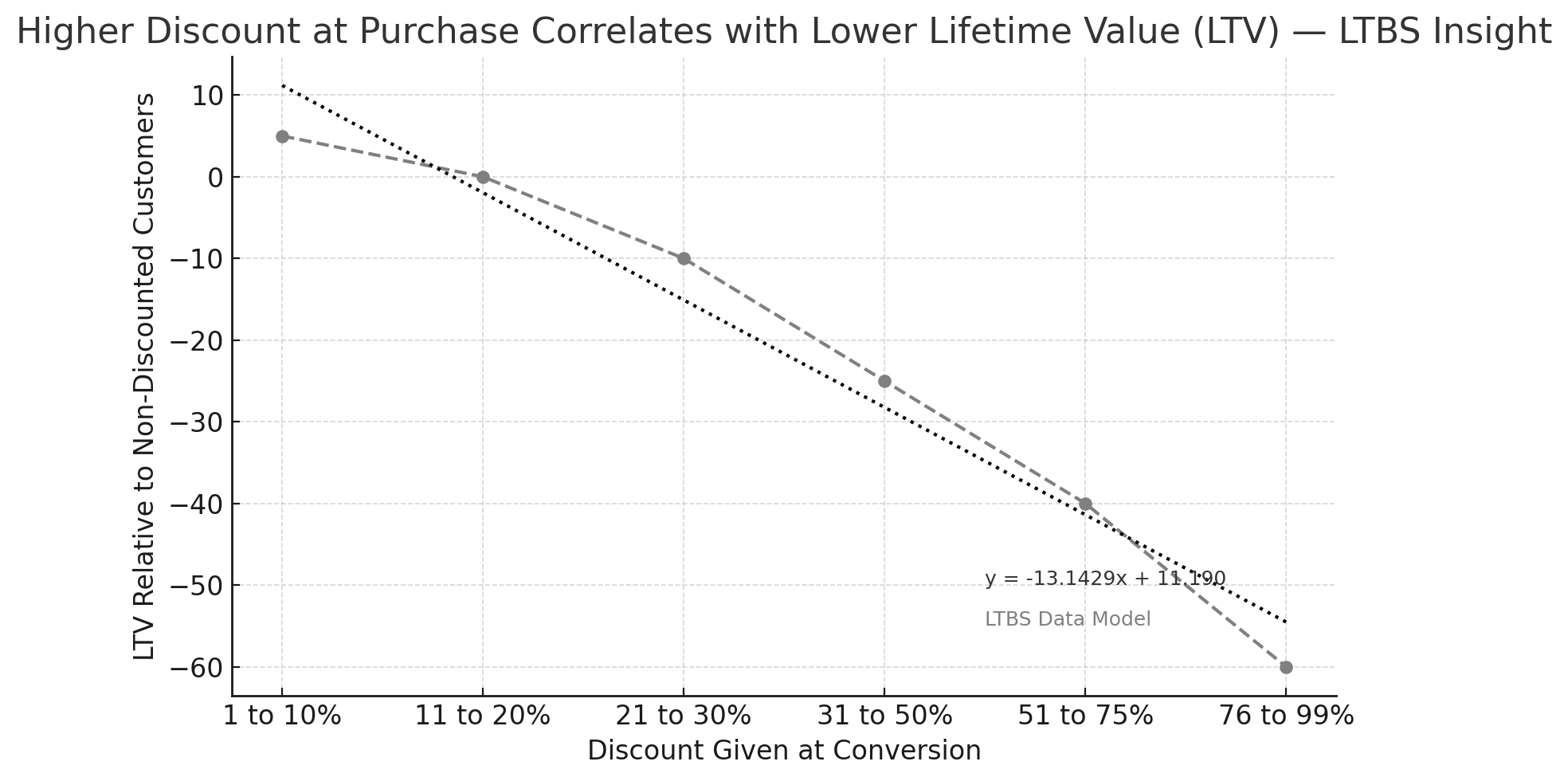
In the industry of furniture, where production and logistics costs are high, when you cut prices to attract buyers, you’re not just lowering your selling point, you’re eating into your profit margins—and this is unsustainable. A small discount might seem harmless, but for every 10% off, you often need to sell 30-40% more units just to maintain the same profit.
2. Brand Dilution
Constant discounts can confuse your audience about what your brand truly stands for. If you’re always running a sale, customers stop seeing your furniture as premium or desirable, they start seeing it as cheap or overstocked. This kind of brand dilution is hard to reverse because it conditions your audience to associate your name with low prices instead of lasting value.
3. Customer Distrust
Frequent markdowns can also make shoppers skeptical. If something is always “50% off,” they’ll question whether the original price was ever real. This mistrust damages credibility and makes it harder for your marketing messages to land authentically in the future.
4. The Discounting Cycle
Once you start offering discounts, it’s hard to stop. Customers begin to expect them, delaying purchases until the next sale drops. This creates a discount dependency, where sales only spike during promotions, leaving long gaps of inactivity in between.
5. Inventory and Cash Flow Pressure
Sales-driven marketing often creates unpredictable buying patterns. One month you’re overwhelmed with orders, the next you’re sitting on unsold stock. This imbalance affects production planning, cash flow, and overall business stability—especially for smaller furniture brands trying to scale sustainably.
The Impact on Customer Loyalty and Perceived Value
Customers respond differently to discounted brands versus those focused on value and experience. While discounts may attract bargain hunters, genuine loyalty that is built on trust and brand affinity, it requires consistent quality, service, and clear values.
Discounting attracts deal-seekers, not loyal customers. These buyers will jump ship as soon as a competitor offers a better price. You will also notice that repetitive price cuts shift customer focus from what sets you apart to simple cost savings, risking brand commoditization and a weaker emotional connection.
True loyalty comes from emotional resonance from how a customer feels about owning your piece of furniture. Furniture brands that focus on design heritage, sustainability, or local craftsmanship foster a deeper bond since their customers buy because they believe in the story, not just the sale.
How furniture brands should think about discounts
When you compete solely on price, you enter a race you can’t win, especially against mass-market retailers with massive buying power.
Premium and boutique furniture brands should compete on design innovation, material quality, and experience. Global brands like Herman Miller or local furniture shops like Woodtalk and Artspire Home are best in highlighting handcrafted excellence and prove that storytelling and authenticity preserve both brand prestige and margins.
At LTBS, our insight on discounting is clear, smaller furniture brands can’t (and shouldn’t) play the discounting game that big-box chains dominate. Instead, every furniture brand should play a different game, one built on brand value, storytelling, and customer experience. Because in the end, no one knows when you lose when you’re playing solitaire.
Smarter Alternatives: How to Avoid Discounting Products
Effective pricing strategies don’t rely solely on discounts. Here are some examples of these promotional strategies what you could do:
.png)
- Value-Based Promotions: Offer curated bundles or limited-edition collections to create exclusivity, not markdown fatigue
- Loyalty Programs: A loyalty program rewards customers for repeat purchases or engagement with the brand. As a brand, you have to reward returning customers with perks, not price cuts.
- Cashback Programs: Give your customers an immediate financial return (money or store credit) after a purchase. However, keep them time-limited so they don’t become your main value proposition.
- Content Marketing: Educate your buyers on design inspiration, materials, and sustainability—help them appreciate your products’ worth and where its made.
- Personalization: Invite top customers to exclusive previews or members-only events to nurture community and pride.
- Experience-Driven Retail: From styled showrooms to immersive online product storytelling, make sure to show, don’t only sell, show them the value behind every piece of what you have.
- Referral Programs: Another reward to existing customers for bringing in new ones. This is built on trust and word-of-mouth marketing, which is incredibly effective for higher-consideration purchases like furniture.
Creating smart sales promotions provides customers with a compelling reason to purchase without the need for costly upfront discounting and without making them think that you aren’t worth the value of what you’re selling, especially in the furniture industry, where every piece of furniture tells you who you are.
The Path Forward on Discounts
You might think we’re discouraging you from giving discounts. That’s where you’re wrong, because discounting isn’t the enemy, it’s the overuse and lack of strategy that do the real damage.
As we approach the Black Friday sale this November, every brand will be running promotions, especially in the furniture market. And that’s okay. It’s smart to take part in major sales moments when consumers are already in buying mode. But it’s equally important to make sure your discounts align with your brand’s true value and the craftsmanship behind every piece you create.
When used sparingly and purposefully, promotions can create excitement. But when you constantly use them, they teach your customers to wait for sales instead of buying into your brand and believing in your story.
Build your brand around craftsmanship, storytelling, and emotional connection—not constant markdowns. Make sure to inspire customers to invest in furniture that lasts for years, not just something that feels like a bargain for the moment.
In today’s competitive market, finding smarter, cost-effective ways to stand out without falling into the discount trap is essential. And with “furniture fatigue” and discount saturation growing, it’s getting harder to capture customers' attention. That’s where a strategic growth partner like us at LTBS comes in. We help brands create market-disruptive promotions that build equity, engage audiences, and drive sustainable sales.
At Local Threads Brand Solution (LTBS), we help Australian furniture brands grow through strategic marketing, SEO, and storytelling that sells, without slashing prices. Because we know your brand’s worth isn’t defined by a percentage off.
If you’re ready to move from discount-driven tactics to sustainable, value-driven growth, get in touch with us today and discover how we at LTBS can help your furniture brand stand taller in the market.