
eCommerce SEO in 2026: What to Keep, Kill, and Add for AI Search

Adam Baodunnov
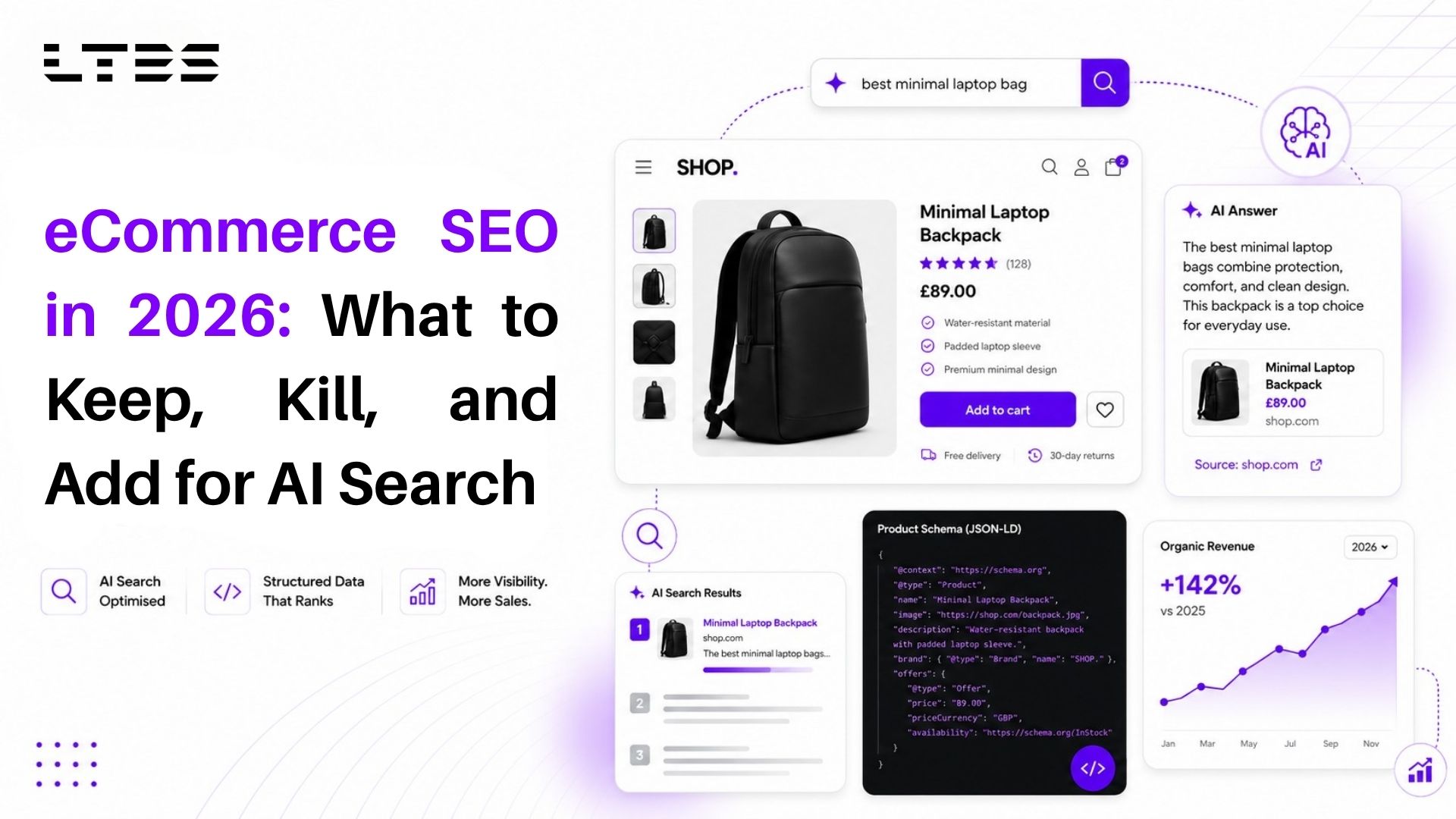
eCommerce SEO in the Age of AI: What to Keep, Kill, and Add in 2026
For the past few months, we’ve talked about how search is changing. But have you actually evaluated your eCommerce SEO strategy and started adapting it for AI-driven search?
If your eCommerce SEO strategy still looks the same as it did two years ago, you may already be falling behind since the days of simply stuffing keywords into product titles and descriptions are over.
In 2026, the ecommerce landscape continues to shift as artificial intelligence (AI) changes how customers discover, evaluate, and choose products. AI is no longer just generating content, rather it is increasingly influencing how search engines organise information, deliver answers, and surface products.
For ecommerce business owners, this shift should be a wake-up call. The SEO strategies that helped your Shopify store rank in 2023 may not deliver the same visibility today. Google is evolving beyond traditional search results with AI-powered experiences, while tools such as ChatGPT and other AI platforms are changing how consumers find information and products.
Your product pages need to adapt to this new search environment.
But that doesn't mean you should abandon traditional eCommerce SEO. Most SEO fundamentals still matter. The real challenge is knowing which SEO tactics continue to drive visibility, which outdated practices you should leave behind, and which AI-first strategies you need to add to your marketing roadmap.
In this guide, we'll break down eCommerce SEO in 2026 into three simple categories:
- Keep: SEO fundamentals that still drive visibility and performance
- Kill: outdated tactics that no longer deserve your time or resources
- Add: AI-era optimization strategies designed for modern search and AI-powered discovery
By the end, you'll have a clearer framework for evolving your eCommerce SEO strategy and building a search strategy designed for both traditional search engines and the growing world of AI-powered search.
eCommerce SEO in 2026: The Key Shifts You Need to Know
Here’s the executive summary of what’s changing in eCommerce SEO and what your brand needs to do next:
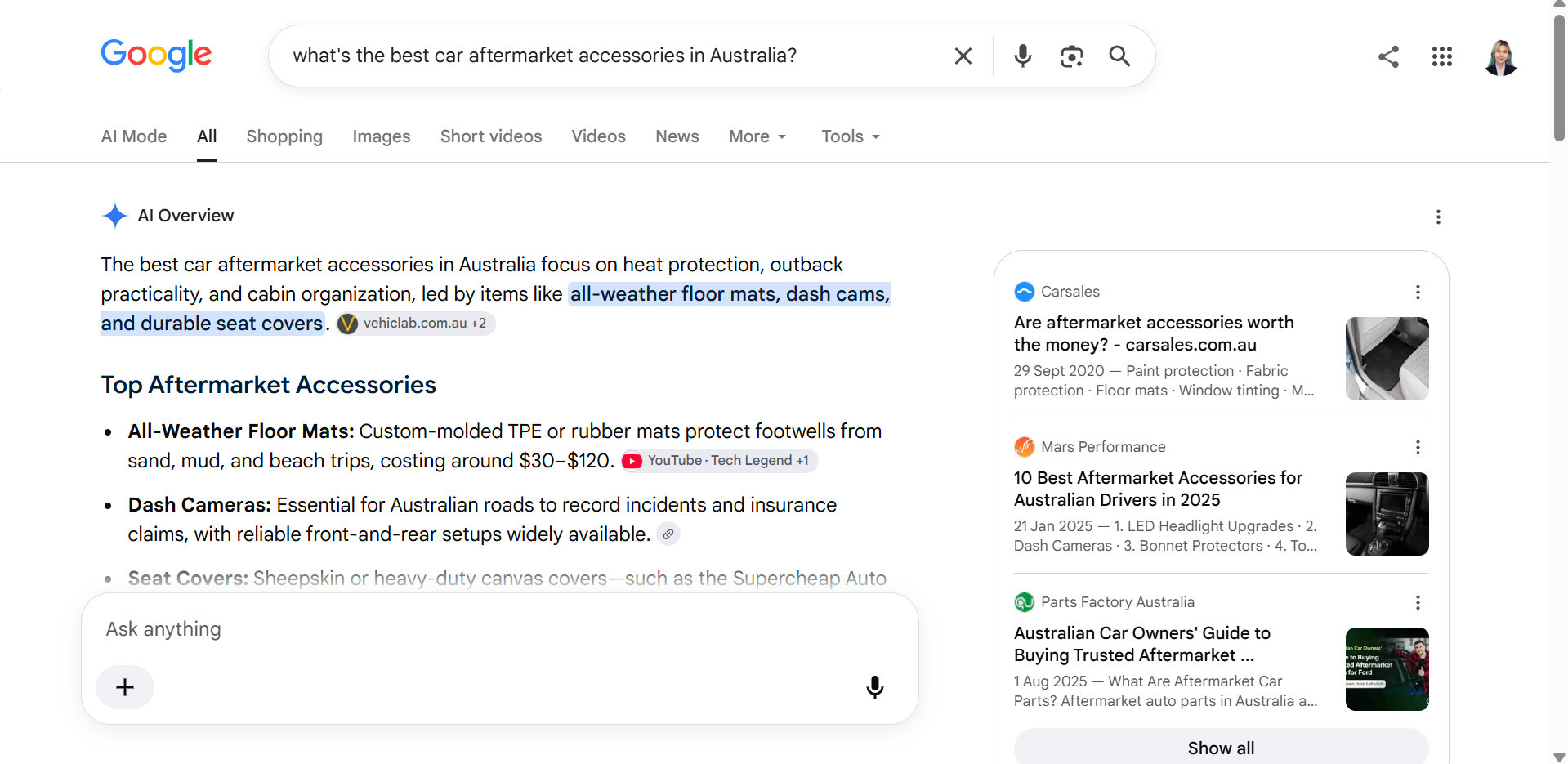
- The AI Search Shift: It is formerly known as Search Engine Experience (SGE) now Google calls it AI Overviews and AI-powered search experiences, they are changing how customers discover information and products. Ranking on page one is no longer the only goal. Your content needs to provide clear, useful answers that search engines and AI systems can understand, extract, and surface.
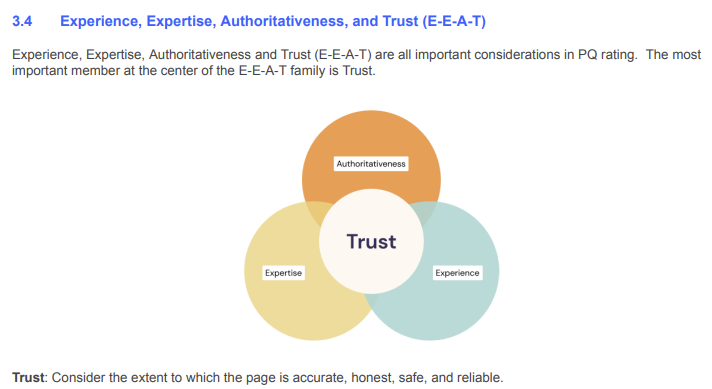
- The Trust Factor: Content is no longer about how many blogs you published and how many keywords are there because those days are over and it doesn’t give your brand a competitive advantage. Search engines increasingly prioritise content that demonstrates Experience, Expertise, Authoritativeness, and Trustworthiness (E-E-A-T). Having real customer reviews, original insights, product expertise, and first-hand experience can help strengthen your visibility, correlating to SEO success.
- The Visual Search Shift: Product discovery is becoming increasingly visual. Google Lens, image search, and AI-powered visual experiences are giving shoppers new ways to find products. One click with their camera and Google helps them find that certain product. Your eCommerce SEO strategy should therefore include optimised product images, descriptive alt text, relevant image filenames, and structured product information.
- The Technical Baseline: Core Web Vitals, mobile performance, crawlability, site structure, and page speed remain essential parts of technical SEO. As ecommerce websites become more complex, a fast and technically sound store gives both users and search engines a better experience.
- The Product Page Evolution: Your product pages are no longer just places to make a sale. Product pages are the new SEO landing pages that answer questions, demonstrate product value, provide specifications, address objections, and give AI systems the information they need to understand and recommend your products.
- The New SEO Goal: The objective is no longer simply to rank for a keyword. In 2026, effective eCommerce SEO means building a brand that can be found, understood, trusted, and recommended across traditional search engines and AI-powered discovery platforms.
The 2026 eCommerce SEO Framework: Keep, Kill, and Add
The goal isn't to throw out everything you've built. A strong eCommerce SEO strategy still depends on many of the fundamentals that have worked for years. What has changed is how those fundamentals need to work alongside AI-powered search.
To adapt, ecommerce brands should evaluate their current SEO strategy through three questions:
- Keep: Which SEO fundamentals still drive visibility, traffic, and conversions?
- Kill: Which outdated tactics consume resources without creating meaningful value?
- Add: Which AI-era optimisation strategies can help your brand stay visible as search evolves?
KEEP: The eCommerce SEO Fundamentals That Still Matter
AI hasn't replaced SEO fundamentals. It has made them more important as AEO still relies on SEO, it is still the backbone.
Search engines and AI-powered search experiences still need reliable, accessible, and relevant information to understand your ecommerce website. If your website has poor technical foundations, weak product information, or content that doesn't satisfy search intent, adding AI optimization won't fix the underlying problem.
Start with the fundamentals.
Build High-Quality Product Pages
Your product pages remain some of the most valuable assets in your eCommerce SEO strategy. A product page shouldn't simply tell customers what an item is and give them a price. It should help them understand whether the product is right for their needs and answer the questions they might have before buying.
A strong product page can include:
- Helpful and original product descriptions
- Clear product benefits and use cases
- Detailed specifications
- Product compatibility information
- Frequently asked questions
- Original product information instead of manufacturer-copy
- Shipping, installation, sizing, or care information where relevant
- Answers to common customer concerns
For example, a customer searching for wheels isn't necessarily looking only for a product name. They may want to know whether the wheels fit their vehicle, what size they need, how they affect the vehicle's stance, or whether installation requires additional modifications.
A product page that answers those questions provides considerably more value than one that simply repeats a manufacturer's description. This matters for AI-powered search, too. AI systems need clear and trustworthy information to understand what a product is, who it is for, and how it compares with alternatives.
Maintain a Strong Technical SEO Foundation
AI-ready websites start with SEO technical healthy websites. Your website still needs to be accessible, fast, secure, and easy for search engines to crawl and understand. If search engines can't efficiently access your pages, even your best content can struggle to perform.
Your technical SEO foundation should cover:
- Site speed
- Mobile optimisation
- Crawlability and indexability
- Core Web Vitals
- HTTPS and website security
- Internal linking
- Clean site architecture
- Proper redirects and canonicalisation
- XML sitemaps
For ecommerce websites, technical SEO becomes particularly important as product catalogues grow. Filters, variants, collections, search pages, and dynamically generated URLs can create unnecessary complexity if you don't manage them properly.
Before adding another layer of AI optimisation, make sure your existing website gives search engines a clear path through your content.
Optimise for Search Intent, Not Just Keywords
Keywords still matter, but search intent matters more than simply inserting a keyword into a page. Every search represents a goal. The customer may be looking for information, comparing products, preparing to purchase, or trying to find a specific brand or product.
For example:
- Informational: “How do I choose the right wheels?”
- Commercial: “Best wheels for a Toyota Hilux”
- Transactional: “Toyota Hilux wheels Australia”
- Navigational: “[Brand] wheels”
Each search intent requires a different type of content. Additionally, an informational search may need an educational guide. A commercial search may benefit from comparisons and buying advice. A transactional search should lead customers toward relevant products and provide the information needed to make a purchase decision.
Instead of asking, “How many times should I use this keyword?”, ask: “What does the customer actually need to know?”
That shift moves your eCommerce SEO strategy away from keyword manipulation and toward genuinely useful content.
Create Content That Demonstrates Experience and Expertise
AI has made generic content easier to produce. That also means generic content has become easier to ignore. If anyone can generate a basic article about a topic in seconds, simply publishing another version of the same information won't give your brand much of an advantage.
Your opportunity is to add something AI-generated content often lacks: genuine experience, expertise, and original perspective.
That can come through:
- Buying guides
- Product comparisons
- How-to guides
- Installation advice
- Industry insights
- Expert commentary
- Original research and data
- Real customer experiences
- First-hand product knowledge
For an automotive ecommerce brand like Mars Performance, for example, an article explaining wheel fitment becomes more valuable when it includes practical information about offsets, clearance, vehicle compatibility, installation considerations, and common mistakes buyers make.
The content becomes more than a collection of keywords. It becomes a resource based on actual knowledge. You can use AI to support your content process where appropriate, but don't let it replace the experience and expertise that make your content worth trusting.
Use Structured Data to Give Search Engines More Context
Search engines need to understand what your pages contain. Structured data gives them additional machine-readable context about your products, business, reviews, and website structure.
For ecommerce websites, relevant structured data can include:
- Product schema
- Review schema
- Organisation schema
- Breadcrumb schema
- Relevant FAQ markup
Structured data doesn't guarantee rankings or AI citations. Its value comes from helping search engines interpret important information more consistently.
For example, product structured data can help search engines understand details such as a product's name, price, availability, ratings, and other relevant attributes.
That makes structured data an important supporting component of a modern eCommerce SEO strategy. Remember, don't use structured data as a ranking shortcut. Use it to make your website's information clearer and more machine-readable.
KILL: eCommerce SEO Tactics That No Longer Deliver
Keeping the fundamentals doesn't mean keeping every tactic you've used in the past. Some SEO practices focus too heavily on manipulating rankings instead of improving the customer's experience.
On the other hand, they consume significant resources without contributing meaningfully to traffic, conversions, or brand visibility. This 2026, it's time to remove them from your strategy.
Stop Keyword Stuffing
Repeating the same keyword across your product titles, descriptions, headings, and body copy doesn't automatically make a page more relevant. In fact, excessive keyword use can make content difficult to read and can distract from the information customers actually need.
Instead:
- Write naturally
- Use relevant terminology and related concepts
- Answer the customer's questions
- Cover the topic comprehensively
- Use keywords where they make contextual sense
Your primary keyword should appear naturally in important areas of the page, but you don't need to force it into every sentence.
Stop Creating Thin Category and Collection Pages
A category or collection page shouldn't exist simply because you want another opportunity to target a keyword. Every indexable page should have a clear purpose and provide meaningful value to the customer.
Watch for:
- Duplicate category descriptions
- Very little unique information
- Empty or poorly populated collections
- Multiple pages targeting nearly identical keywords
- Automatically generated pages with no clear user purpose
Instead, use category pages to help customers navigate your product range and make decisions.
You can add useful buying information, product differences, specifications, compatibility details, FAQs, and links to relevant guides where appropriate.
Stop Publishing Content Just to Hit a Quota
Publishing five generic blogs every week doesn't automatically create SEO growth. More content isn't necessarily better content.
The problem becomes even greater when brands use AI to generate large volumes of articles without adding original insights, expertise, data, or a unique brand perspective.
Before publishing another article, ask:
- Does this content answer a question our customers actually have?
- Does it provide something better or more useful than what's already available?
- Does it demonstrate something about our brand's expertise?
If the answer is no, producing more content won't necessarily improve your eCommerce SEO strategy.
Stop Measuring SEO Success Through Rankings Alone
Rankings still matter, but they don't tell the entire story anymore, A page ranking #1 doesn't automatically mean your SEO strategy is generating business value. Your reporting should connect search visibility to outcomes such as:
- Organic traffic
- Click-through rates
- Product engagement
- Leads
- Conversions
- Organic revenue
- Assisted conversions
- AI visibility
The rise of AI-powered search makes this even more important. A customer may discover your brand through an AI-generated answer without following the traditional path from search result to website click.
That means your definition of SEO success needs to expand.
Instead of asking: “What position do we rank at?” Ask: “Is our search visibility contributing to business growth?”
Stop Treating SEO as an Isolated Marketing Channel
Modern eCommerce SEO doesn't operate in a silo. Your organic visibility can be influenced by activities across your wider digital presence, including:
- Content marketing
- PR
- Digital PR
- Relevant backlinks
- Customer reviews
- Product information
- Brand mentions
- Social channels
- Website experience
A strong SEO strategy therefore needs to work alongside other marketing activities.
Your PR can strengthen brand awareness. Your reviews can provide trust signals. Your content can establish expertise. Your backlinks can strengthen authority. Your product data can help search engines understand what you sell. Treat SEO as part of your broader digital visibility strategy, not simply a keyword-ranking exercise.
ADD: The AI-Era Strategies Your eCommerce SEO Needs in 2026
Once you've protected the fundamentals and removed outdated tactics, you can start building the next layer of your eCommerce SEO strategy. AI-powered search creates a new optimisation challenge: helping search engines and AI systems understand, trust, and surface your brand's information.
Optimise for AI Answers, Not Just Search Rankings
Traditional SEO asks: “How do I rank this page?”. An AI-era SEO adds another question: “Can an AI system understand this page well enough to use it when answering a customer's question?”
This means you need to present your content and information clearly so AI systems can understand them. Structure your content in a way that helps both search engines and AI systems quickly identify, interpret, and surface the information that matters.
For example, rather than writing a 1,500-word introduction before answering a customer's question, provide a clear answer early and then expand on it with supporting detail. This structure benefits users while making important information easier to identify.
Turn Product Pages Into AI-Ready Information Hubs
Your product page should answer more than: “What is this product?”. It should help answer the questions that influence the customer's buying decision.
For example:
- Who is this product for?
- What problem does it solve?
- How does it compare with alternatives?
- What are its specifications?
- Is it compatible with my vehicle or setup?
- How do I install or use it?
- What should I know before buying?
- What questions do customers commonly ask?
Depending on the product, include:
- Product use cases
- Detailed specifications
- Compatibility information
- FAQs
- Comparison information
- Installation guidance
- Real-world applications
- Customer reviews
This turns the product page into an information hub rather than a basic product listing.
The more accurate and useful context you provide, the easier it becomes for search systems to understand where your product fits within the customer's buying journey.
Build Topical Authority Instead of Publishing Isolated Blogs
One blog targeting one keyword isn't a content strategy. If your ecommerce brand wants to build sustainable visibility, create connected content around the topics your customers care about.
For example, a wheel-focused content ecosystem could include:
Wheel Fitment:
- Wheel Buying Guides
- Wheel Installation Guides
- Wheel Maintenance
- Wheel Comparisons
- Fitment FAQs
- Wheel Product Categories
- Individual Wheel Product Pages
Each piece supports the others. A customer can move from an educational article to a buying guide, then to a category page and finally to a product page. This structure also helps search engines understand the relationship between your content and the broader topic.
Build depth around important topics instead of constantly chasing new keywords.
Strengthen Your Brand Signals Beyond Your Website
AI-powered search doesn't exist in a vacuum. Your website is only one source of information about your brand. Customers and search systems can encounter your business through reviews, industry publications, PR coverage, backlinks, social platforms, and other third-party sources.
Strengthen your wider digital presence through:
- Digital PR
- Relevant backlinks
- Industry publications
- Customer reviews
- Brand mentions
- Consistent business information
- Expert contributions
- Original research
- Third-party references
The goal isn't to manufacture mentions everywhere. It's to build a credible digital footprint that consistently communicates who your brand is, what you specialise in, and why customers should trust you.
Measure AI Visibility Alongside Traditional SEO
Your SEO reporting needs to evolve alongside search. Traditional metrics still matter, but they don't capture every way customers can now discover your brand.
Alongside rankings, traffic, and conversions, start monitoring metrics such as:
- AI citations
- AI-generated brand mentions
- AI referral traffic
- Organic revenue
- Assisted conversions
- Brand visibility
- Search visibility
- Product engagement
- Conversion rates
The exact metrics you track will depend on your technology stack and available data. The important point is to avoid relying on a single ranking metric to represent the health of your SEO strategy.
As search becomes more fragmented, you need to understand where your brand appears, how customers discover it, and whether that visibility contributes to revenue.
Measure the full visibility journey, not just your position in traditional search results.
The Future of eCommerce SEO Is Human and AI
The rise of AI-powered search doesn't mean traditional eCommerce SEO is dead. It means the way brands approach SEO needs to evolve. Traditional SEO still provides the foundation: a technically sound website, useful content, relevant product information, strong internal linking, and a clear understanding of search intent.
Meanwhile, an AI optimization builds on that foundation by helping search engines and AI systems better understand, interpret, and surface your content. The brands that adapt now can position themselves for greater visibility across more than traditional search results. They can become easier for both people and AI systems to discover, understand, trust, and recommend.
The goal isn't to choose between SEO and AI. It's to create an eCommerce SEO strategy that works across the entire modern search journey.
Conclusion: Is Your eCommerce SEO Strategy Ready for AI-Powered Search?
The biggest mistake ecommerce brands can make in 2026 isn't failing to adopt every new AI tool. It's continuing to rely on an eCommerce SEO strategy built for a search landscape that has already changed.
Keep the fundamentals that create a technically strong website and genuinely useful customer experience.
Kill tactics that prioritise keyword stuffing, thin content, and publishing volume over quality.
Add strategies that make your products, expertise, and brand easier for search engines and AI-powered systems to understand and trust.
AI will continue to change how customers search, compare, and discover products. Your SEO strategy needs to evolve with it. The brands that start adapting now won't just be preparing for the future of search. They'll be building the visibility needed to compete in it.
Future-Proof Your eCommerce SEO Strategy
AI is reshaping how customers discover products, but sustainable growth still starts with a strong eCommerce SEO foundation.
If you're unsure what your current SEO strategy should keep, kill, or add, LTBS can help you identify the gaps, strengthen your existing SEO foundation, and develop an AI-ready strategy built around how customers search today.
Ready to see where your SEO strategy stands? Talk to LTBS and start building your next phase of ecommerce growth.